
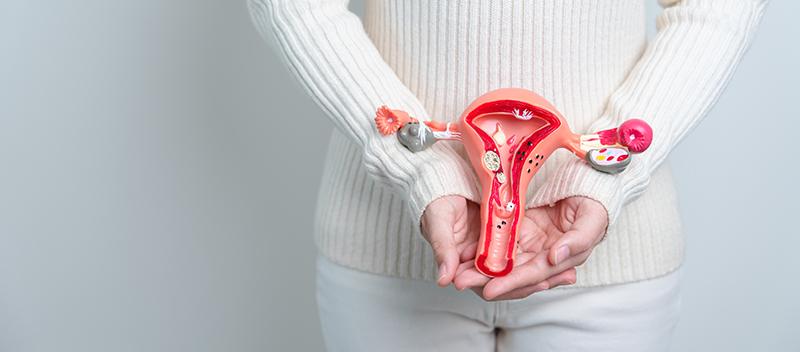
It is possible for new uterine fibroids to develop after menopause, as well as for existing fibroids to persist. Although they often shrink as oestrogen and progesterone levels decline, it cannot be assumed that a fibroid will always disappear after menopause. Less commonly, these fibroids may continue to grow or become symptomatic over time.
So, what does it mean if these fibroids grow, and when should you have them checked? In this article, we answer common questions about what happens to fibroids after menopause, why some continue to develop, what symptoms they may cause and when medical assessment or treatment may be needed.
Key Takeaways
- Existing fibroids can persist after menopause, although they commonly shrink.
- Continued growth can occur but is less typical after menopause.
- New or changing symptoms, particularly postmenopausal bleeding or an enlarging pelvic mass, warrant assessment.
- Whether treatment is required depends on symptoms and clinical findings.
Why Do Existing Fibroids Sometimes Grow After Menopause?
Fibroids may continue to grow if the body is exposed to hormones that encourage fibroid tissue development. Possible causes include:
- Using hormone replacement therapy (HRT): Some women take HRT as part of a menopause management plan to relieve symptoms such as hot flushes, night sweats or vaginal dryness. As some forms of HRT contain oestrogen and progesterone, this additional hormonal exposure may influence the growth of existing fibroids in some women.
- Oestrogen production outside the ovaries: The ovaries are not the body's only source of oestrogen. After menopause, adipose tissue can convert other hormones into forms of oestrogen. This means that some oestrogen remains present in the body even after ovarian oestrogen production has substantially declined.
- Differences in how fibroids respond to hormones: Individual fibroids can differ in their sensitivity to hormonal stimulation. As a result, their response to the hormonal changes of menopause may vary.
These factors mean that reaching menopause does not guarantee that every fibroid will shrink at the same rate or to the same extent. If a previously identified fibroid has increased in size after menopause, however, it should be medically assessed.
When Are Fibroids After Menopause a Cause for Concern?
Fibroids after menopause are more of a concern when they grow, cause new or worsening symptoms or are associated with postmenopausal bleeding. This differs from an existing fibroid that remains stable and does not cause symptoms.
Changes that warrant medical assessment include:
- An increase in fibroid size: Fibroids generally tend to shrink after menopause, so a fibroid that continues to enlarge should be evaluated.
- Postmenopausal bleeding: Any vaginal bleeding after menopause requires medical assessment, even if you have a known history of fibroids.
- New or worsening pelvic pain: Persistent pain, pressure or discomfort that develops or becomes more pronounced after menopause should be checked.
- Increasing abdominal or pelvic fullness: Progressive enlargement or a new sensation of fullness may warrant investigation.
- New bladder or bowel symptoms: Persistent urinary or bowel changes may occur when a fibroid or another pelvic mass places pressure on nearby organs.
These changes do not necessarily mean that the fibroid is causing a serious problem. However, because fibroids would generally be expected to become smaller or remain stable after menopause, a change in their behaviour or the development of new symptoms should be assessed to determine the cause.
How Will a Doctor Evaluate Post-Menopausal Fibroids?
A doctor will evaluate a post-menopausal fibroid by looking at whether it has changed over time, whether it is causing symptoms and whether the findings remain typical of a fibroid. The assessment may therefore differ depending on whether you have a previously diagnosed fibroid, a newly detected uterine mass or new symptoms after menopause.
Reviewing Your Symptoms and Previous Fibroid History
Your doctor may ask when the fibroid was first diagnosed, whether it was previously monitored or treated and whether you have developed new symptoms. This may include asking about postmenopausal bleeding, pelvic pain or pressure, abdominal fullness and changes in bladder or bowel function.
Your medical history is also relevant. For example, your doctor may ask whether you are taking HRT and review previous ultrasound or imaging results where available.
Performing a Pelvic Examination
A pelvic examination may be performed to assess the uterus and surrounding pelvic structures. This can help identify findings such as uterine enlargement, tenderness or a pelvic mass and guide whether imaging or further investigation is required.
Checking for Changes With Imaging
A pelvic or transvaginal ultrasound may be used to assess the size, number and location of fibroids. If you have had previous imaging, comparing the scans can help determine whether a known fibroid has remained stable or increased in size.
An MRI may be considered when more detailed imaging is needed to characterise a uterine or pelvic mass or clarify findings from an ultrasound.
Investigating Symptoms That Require Further Assessment
Further tests depend on the symptoms and findings identified during the assessment. Postmenopausal bleeding, for example, may require investigation of the uterine lining to establish the source of the bleeding rather than assuming that an existing fibroid is responsible.
The results of these assessments help your doctor determine whether the fibroid can be monitored or whether further investigation or treatment should be considered.
When Should You See a Doctor About Fibroids After Menopause?
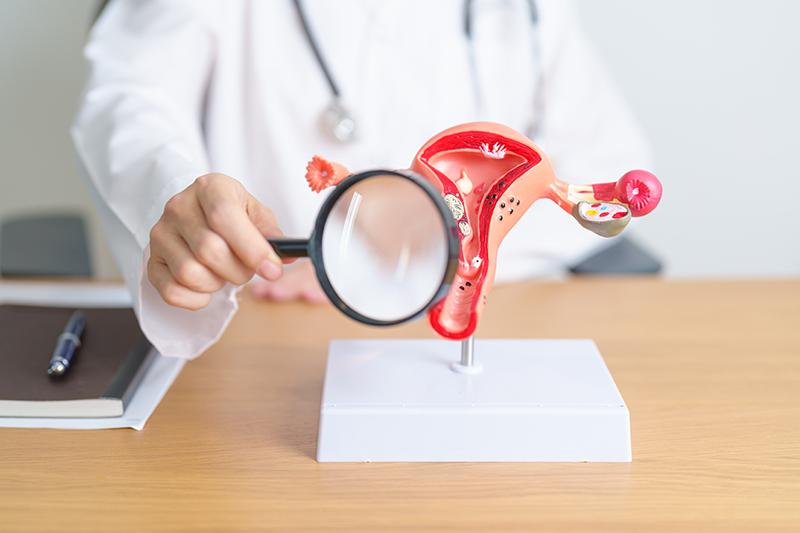
If a fibroid remains stable and does not cause symptoms after menopause, treatment may not be necessary. However, if you develop new symptoms, experience postmenopausal bleeding or are told that a known fibroid has changed, a gynaecological assessment can help establish the cause and determine whether further monitoring or treatment is appropriate.
These changes should be investigated not only to assess the fibroid, but also to rule out other possible causes. In particular, a new or enlarging uterine mass or postmenopausal bleeding should not automatically be assumed to be due to fibroids, as further evaluation may be needed to exclude other gynaecological conditions, potentially including cancer.
If you notice changes after menopause, GynaeMD Women’s Clinic Clementi is able to provide assessment and management for fibroids and other gynaecological concerns. Consultant Obstetrician & Gynaecologist Dr Regina Zuzarte-Ng can assess your symptoms, arrange appropriate investigations and advise on whether monitoring or treatment is needed.
To book an appointment, or to seek out further evaluation, contact our clinic today.
Frequently Asked Questions About Post-Menopausal Uterine Fibroids
Do fibroids always shrink after menopause?
No. Fibroids commonly shrink after menopause as oestrogen and progesterone levels decline, but the degree of shrinkage varies. Some fibroids may remain relatively stable in size and continue to be present without causing symptoms or requiring treatment.
Can fibroids cause bleeding after menopause?
Fibroids may be associated with abnormal bleeding, but vaginal bleeding after menopause should never automatically be attributed to a known fibroid. Postmenopausal bleeding has several possible causes, so a gynaecological assessment is important to determine where the bleeding is coming from and whether further investigation is required.
Do fibroids after menopause need to be removed?
Not necessarily. An existing fibroid that remains stable and does not cause symptoms may not require removal. Whether treatment is appropriate depends on factors such as symptoms, changes in the fibroid, its size and location, investigation findings and the woman's overall health.
Can fibroids become cancerous after menopause?
Uterine fibroids are benign growths and are not generally considered to turn cancerous. However, some malignant uterine growths can present with symptoms or findings that may resemble fibroids. This is why a new or enlarging uterine mass after menopause should be properly evaluated rather than assumed to be an existing fibroid.