

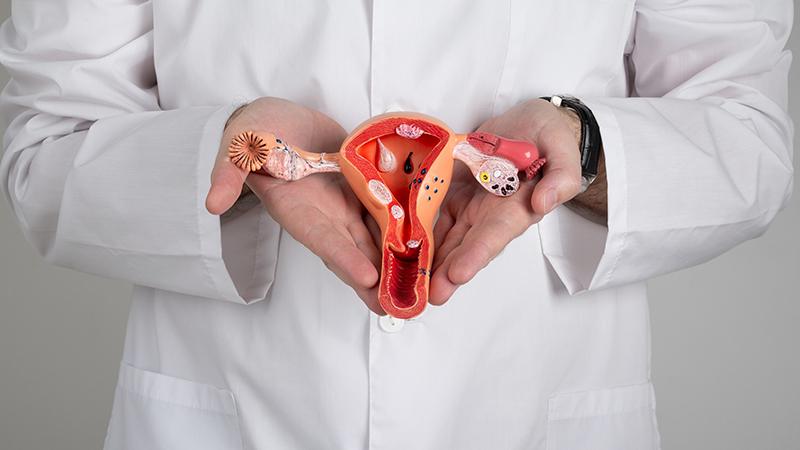
Women's health needs evolve significantly over time. From the first menstrual cycle to pregnancy, menopause and beyond, each stage of life brings unique physical and hormonal changes that can benefit from professional medical guidance. While many people think of a gynaecologist as someone they visit only when they experience a specific concern, the reality is that a gynae plays a much broader role in supporting long-term health and wellbeing.
By building an ongoing relationship with a trusted specialist, women can receive personalised care that adapts to their changing needs. Whether you are seeking advice on menstrual health, fertility, pregnancy or menopause management, a gynaecologist can provide the expertise and continuity of care needed throughout life's different phases.
Early Adulthood: Your First Steps with a Gynaecologist
For many women, early adulthood is when they first visit a gynae. These initial appointments are an opportunity to establish a strong foundation for reproductive and sexual health while gaining a better understanding of the body.
A gynaecologist can provide guidance on menstrual concerns such as irregular periods, painful cramps or heavy bleeding. This stage is also an important time to discuss contraception options, sexual health and preventive screenings where appropriate.
Many young women may feel more comfortable consulting a female gynae, particularly when discussing sensitive topics for the first time. Having a trusted healthcare professional can help make these conversations easier and encourage a proactive approach to long-term health.
Rather than waiting for symptoms to arise, regular visits can help identify potential concerns early and support healthier outcomes in the future.
Reproductive Years: Fertility, Family Planning, and Pregnancy Care
As women enter their reproductive years, healthcare priorities often shift towards fertility, family planning and pregnancy-related care. During this stage, a gynae serves as a key partner in helping women make informed decisions about their reproductive goals.
For those who are not yet planning to start a family, a gynaecologist can recommend suitable contraception methods based on lifestyle, medical history and personal preferences. For women who are trying to conceive, fertility assessments and preconception counselling can provide valuable insights into reproductive health.
Once pregnancy occurs, regular consultations become essential for monitoring both maternal and foetal wellbeing. A gynaecologist can guide expectant mothers through every trimester while addressing concerns related to nutrition, screening tests and delivery planning.
The continuity of care offered during these years helps ensure women receive personalised support as their needs evolve from family planning to pregnancy and postpartum recovery.
Midlife and Perimenopause: Navigating Hormonal Changes
Midlife often marks the beginning of perimenopause, a transitional phase leading up to menopause. During this time, fluctuating hormone levels can cause a range of symptoms that affect daily life and overall wellbeing.
Common concerns during perimenopause may include:
- Irregular menstrual cycles
- Hot flushes
- Mood changes
- Sleep disturbances
- Reduced energy levels
While these changes are a natural part of ageing, they can sometimes be difficult to manage without professional guidance.
A gynaecologist can help women better understand the changes taking place in their bodies while recommending appropriate treatment options where necessary. Depending on individual needs, this may include lifestyle modifications, symptom management strategies or hormone-related therapies.
Regular check-ups during this stage also provide an opportunity to monitor broader aspects of women's health, including cervical screening, breast health and overall reproductive wellbeing.
Menopause and Beyond: Supporting Long-Term Women's Health
Menopause is often viewed as the end of reproductive health care, but ongoing support remains just as important during this stage of life. As oestrogen levels decline, women may face new health considerations that extend beyond reproductive concerns.
Issues such as vaginal dryness, urinary symptoms and changes in sexual health can affect quality of life. At the same time, postmenopausal women may have a higher risk of conditions such as osteoporosis and cardiovascular disease.
A trusted gynae can provide recommendations to help manage symptoms and maintain long-term health. Regular consultations also allow for continued monitoring and preventive care tailored to age-related health needs.
By maintaining a relationship with a healthcare provider, women can continue to receive guidance that supports healthy ageing and overall wellbeing well beyond menopause.

Lifelong Women's Healthcare with Dr Regina Zuzarte-Ng
The role of a gynaecologist extends far beyond treating individual conditions. From adolescence to later life, ongoing care helps women navigate changing health needs with confidence and access to expert medical advice. Whether you are seeking your first consultation, planning for pregnancy or looking for support during menopause, building a long-term relationship with a trusted gynaecologist can have a lasting impact on your health and wellbeing.
At GynaeMD Women’s Clinic (Clementi), our lead gynaecologist, Dr Regina Zuzarte-Ng, believes that every woman deserves personalised care that supports her health and wellbeing through every stage of life. From adolescence and pregnancy to menopause and beyond, she is committed to providing patient-centred care tailored to each woman's unique needs.
Your healthcare needs will continue to evolve throughout life, and having the right gynaecologist by your side can make all the difference. If you are looking for a gynae clinic in Singapore that provides compassionate and personalised care, book an appointment with us today and let us support you through every stage of your health journey.
FAQs About the Role of a Gynaecologist Across Different Life Stages
At what age should I start seeing a gynaecologist?
There is no fixed age for a first visit to a gynaecologist. Many women first consult a gynae during their late teens or early adulthood, particularly if they have concerns about their menstrual cycle, contraception or reproductive health. Even without symptoms, establishing care early can help build a strong foundation for long-term wellbeing.
Is it beneficial to see the same gynaecologist throughout my life?
Seeing the same gynaecologist over time can provide greater continuity of care. A long-term healthcare partner becomes familiar with your medical history, health goals and changing needs, allowing for more personalised guidance at every stage of life.
Do I need to see a gynae if I am not planning to have children?
Yes. A gynae provides care for much more than fertility and pregnancy. Regular visits can help with menstrual health, contraception, preventive screenings, menopause management and overall reproductive wellbeing throughout different life stages.
Can a gynaecologist help with conditions that are not related to pregnancy?
Yes. A gynaecologist can diagnose and manage a wide range of conditions, including menstrual disorders, polycystic ovary syndrome (PCOS), endometriosis, fibroids, pelvic pain and other reproductive health concerns.