


Heavy menstrual bleeding may be a concern when the amount or duration of bleeding starts to interfere with your daily life. This includes periods that are consistently much heavier or longer than expected, especially when the change is new or persistent.
Heavy periods are not always a sign of a medical problem. However, ongoing or unusually heavy bleeding can have an underlying cause that needs assessment. This article explains how to recognise heavy menstrual bleeding, what can cause it, how it is diagnosed and when to see a gynaecologist.
Key Takeaways
- Heavy menstrual bleeding is abnormal when the amount or duration of bleeding starts to interfere with your daily life.
- Common causes include uterine fibroids, adenomyosis, polyps, ovulation problems, bleeding disorders and certain medications.
- Ongoing heavy bleeding can lead to iron-deficiency anaemia and symptoms such as fatigue, weakness, dizziness or shortness of breath.
- A gynaecologist can assess your bleeding pattern and investigate the underlying cause using appropriate examinations, blood tests or imaging.
How Can You Tell If Your Period Is Too Heavy?
You can often estimate how heavy your period is by monitoring how frequently you need to change menstrual products, how long the bleeding lasts and how it affects your routine. It is often difficult to measure the exact volume of blood lost during a period, making it more practical to take note of whether you:
- Need to change a fully soaked pad or tampon every 1–2 hours
- Are regularly bleeding through your clothes or bedding
- Need to wake at night to change your pad or tampon
- Pass blood clots larger than about 2.5 cm, particularly if this happens regularly
- Bleed for more than 7 days
- Have to change or avoid your usual work, exercise or social activities because of your period
Heavy menstrual bleeding can also result in significant blood and iron loss over time. This can lead to iron-deficiency anaemia, which may cause fatigue, weakness, dizziness, shortness of breath or heart palpitations.
What Causes Heavy Menstrual Bleeding?
Heavy menstrual bleeding can result from changes affecting the uterus, menstrual cycle or the body's ability to control bleeding. Identifying the cause is important because treatment will differ depending on what is responsible for the abnormal bleeding.
Common causes include:
Uterine Fibroids
Fibroids are non-cancerous growths that develop in or around the uterus. Depending on their size and location, they can increase the surface area of the uterine lining or affect how effectively the uterus contracts, contributing to heavier or longer periods.
Adenomyosis
Adenomyosis occurs when tissue similar to the lining of the uterus grows into the muscular wall of the uterus. It is commonly associated with heavy menstrual bleeding and painful periods.
Uterine Polyps
Uterine polyps are growths arising from the inner lining of the uterus. They can cause heavy periods as well as bleeding or spotting between periods.
Ovulation and Hormonal Problems
When ovulation does not occur regularly, the uterine lining may continue to thicken before eventually shedding. This may result in irregular, prolonged or particularly heavy menstrual bleeding.
Bleeding Disorders
Conditions that affect normal blood clotting can make menstrual bleeding heavier. A bleeding disorder may be considered particularly when heavy periods have been present since menstruation first began or when there is also a history of easy bruising, frequent nosebleeds or prolonged bleeding.
Certain Medications and Contraceptives
Blood-thinning medications can contribute to heavier menstrual bleeding. Some forms of contraception, including intrauterine devices (IUDs), can also increase menstrual flow, particularly during the first few months after insertion.
Less commonly, abnormal bleeding can be associated with changes to the uterine lining or gynaecological cancers. This is one reason persistent or unexplained changes in menstrual bleeding should be properly assessed rather than attributed to a "naturally heavy" period without investigation.
How Is Abnormally Heavy Menstrual Bleeding Diagnosed?
Heavy menstrual bleeding is diagnosed by assessing your bleeding pattern, related symptoms and how your periods affect your daily life. Your gynaecologist may also carry out imaging tests and screenings to search for a root cause.
These may include:
- Pelvic ultrasound: Used to examine the uterus and ovaries and identify conditions such as fibroids or adenomyosis. A transvaginal ultrasound may be recommended when adenomyosis is suspected.
- Hysteroscopy: A thin camera is passed through the cervix to examine the inside of the uterus. This may be recommended when uterine polyps, fibroids within the uterine cavity or abnormalities of the uterine lining are suspected.
- Endometrial biopsy: A sample of the uterine lining may be taken during hysteroscopy when there is an increased risk of endometrial abnormalities. It is not routinely required for every woman with heavy periods.
- Additional blood tests: Tests for clotting disorders or other medical conditions may be recommended when your symptoms or medical history suggest a specific underlying cause.
The aim of these assessments is to determine what is causing the abnormal bleeding, which then guides the appropriate treatment.
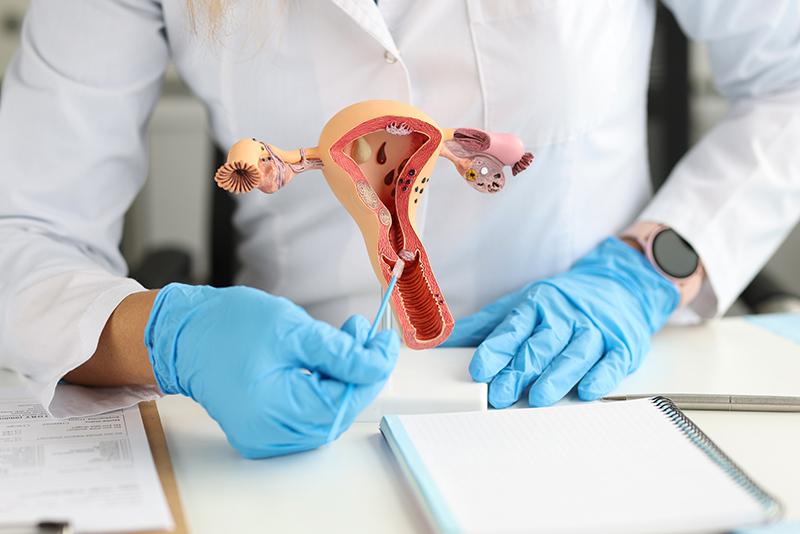
When Should You See a Gynaecologist for Heavy Menstrual Bleeding?
You should see a gynaecologist for heavy menstrual bleeding when it starts to affect your daily life, or you notice persistent, unexplained changes in your periods. While some women can naturally have heavier periods, this should never be taken for granted, as changes to menstrual bleeding can be linked to underlying gynaecological conditions. Identifying the cause helps determine whether treatment is needed and which approach is appropriate.
If you are concerned about heavy or changing periods, GynaeMD Women’s Clinic Clementi provides assessment for menstrual concerns and other women’s health conditions. Consultant Obstetrician & Gynaecologist Dr Regina Zuzarte-Ng has over a decade of specialist experience in women’s health and takes a compassionate, patient-centred approach to care. She can assess your menstrual concerns, explain the possible causes and guide you through any investigations or treatment that may be appropriate.
If your periods have changed or you are unsure whether your bleeding is normal, contact us today to arrange a consultation with our specialist.
Frequently Asked Questions About Heavy Menstrual Bleeding
Can heavy menstrual bleeding stop on its own?
Heavy menstrual bleeding can sometimes improve on its own, particularly when it is related to temporary hormonal changes. However, persistent or recurring heavy periods should be assessed as they may be caused by conditions such as fibroids, adenomyosis, uterine polyps or problems with ovulation.
Can heavy periods affect fertility?
Heavy periods do not necessarily cause infertility. However, some conditions that cause heavy menstrual bleeding, such as fibroids, adenomyosis or certain ovulation problems, can also affect fertility. A gynaecologist can investigate the underlying cause if you have heavy periods and are concerned about becoming pregnant.
What treatments are available for heavy menstrual bleeding?
Treatment depends on the cause, severity of the bleeding and your individual needs. Options can include medications to reduce menstrual bleeding, hormonal treatments or procedures to treat conditions such as fibroids or uterine polyps. Your gynaecologist can recommend an appropriate treatment after determining the cause of the bleeding.
When is heavy menstrual bleeding an emergency?
Heavy menstrual bleeding requires urgent medical attention if you are bleeding very heavily and develop symptoms such as fainting, severe dizziness, shortness of breath, chest pain or marked weakness. You should also seek urgent assessment if heavy bleeding occurs during pregnancy or if you think that you may be pregnant.