


You have just taken a pregnancy test and are staring at the result, feeling a mix of excitement, disbelief, and perhaps a few questions all at once. After the initial moment settles, one thought often follows close behind. When should I see a doctor?
Knowing when to book your first visit with an obstetrician can help you start your pregnancy journey with confidence. Early care plays an important role in supporting both your health and your baby’s development, and understanding the right timing can make the process feel far less overwhelming.
When to Schedule Your First Appointment
For most women, the first visit to an obstetrician is typically recommended around six to eight weeks into pregnancy. This is calculated from the first day of your last menstrual period. At this stage, an ultrasound can usually confirm the pregnancy, check that it is developing in the uterus, and detect a heartbeat. This timing also allows your doctor to gather important baseline information about your health.
Situations Where You Should Make an Appointment Earlier
In some cases, it is advisable to seek medical attention sooner rather than waiting for the six to eight week mark.
Experiencing Unusual Symptoms
If you notice symptoms such as abdominal pain, heavy bleeding or dizziness, it is important to consult an obstetrician promptly. While not all symptoms indicate a problem, it is always safer to have them evaluated.
Previous Pregnancy Complications
If you have had complications in a previous pregnancy, such as miscarriage or ectopic pregnancy, an earlier visit may be recommended. This allows for closer monitoring from the very beginning.
Existing Medical Conditions
Women with conditions such as diabetes, hypertension or thyroid disorders may benefit from early medical guidance. Managing these conditions from the outset helps support a smoother pregnancy.
What to Expect During Your First Visit
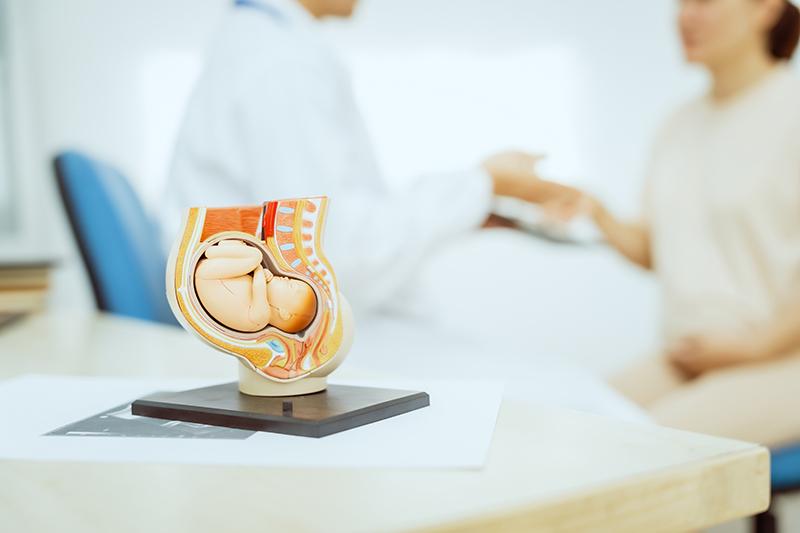
Your first appointment is usually comprehensive, as it sets the foundation for your care moving forward.
Medical History and Health Assessment
Your doctor will ask about your medical history, menstrual cycle, lifestyle and any previous pregnancies. This helps build a clearer picture of your overall health and identify any factors that may need attention. You may also undergo basic checks such as blood pressure measurement and weight assessment.
Blood Tests and Screenings
Routine blood tests are often carried out during the first visit. These may include checking your blood type, iron levels, and screening for certain infections. These tests provide valuable information that helps guide your care throughout the pregnancy.
Ultrasound Scan
An early ultrasound may be performed to confirm the pregnancy and estimate how far along you are. It also helps ensure that the pregnancy is located within the uterus. Seeing the first image of your baby is also a memorable moment, offering both reassurance and a sense of connection.
How to Prepare for Your Appointment
Preparing for your first visit can help you feel more at ease and make the most of your consultation.
Gather Important Information
It is helpful to note the first day of your last menstrual period, as this is used to estimate your due date. You may also want to prepare details of your medical history and any medications you are currently taking.
Write Down Your Questions
Many women find themselves with a lot of questions at this stage, especially when everything feels new or unfamiliar. Writing them down ahead of your appointment can help ensure that nothing important slips your mind during the consultation. Some questions you may want to ask about include diet, exercise, supplements and what to expect in the coming weeks as your pregnancy progresses.
Bring Your Partner or a Trusted Companion
If possible, consider bringing your partner or a trusted companion along. Having someone with you can provide emotional support and help you remember important information discussed during the visit.
Building a Relationship With Your Obstetrician
Your obstetrician will play an important role throughout your pregnancy, so it is essential to feel comfortable and supported. Open communication is key. Do not hesitate to share your concerns or ask for clarification when needed. A good doctor will take the time to listen and guide you through each stage with care and understanding. Establishing this relationship early helps create a supportive environment for the months ahead.
Finding Clarity and Support with Dr Regina Zuzarte-Ng
Finding out that you are pregnant is a significant moment, often filled with both joy and uncertainty. As the initial emotions settle, knowing when to see an obstetrician can help you move forward with greater clarity and confidence, giving you a clearer sense of what to expect in the weeks ahead.
If you are beginning your pregnancy journey and looking for guidance, reaching out early can make all the difference. At GynaeMD Women’s Clinic (Clementi), you will be supported at our gynae clinic led by experienced female gynaecologist Dr Regina Zuzarte-Ng, where care is centred around your individual needs and comfort. Schedule your first consultation and take that reassuring step towards a well supported pregnancy journey.