

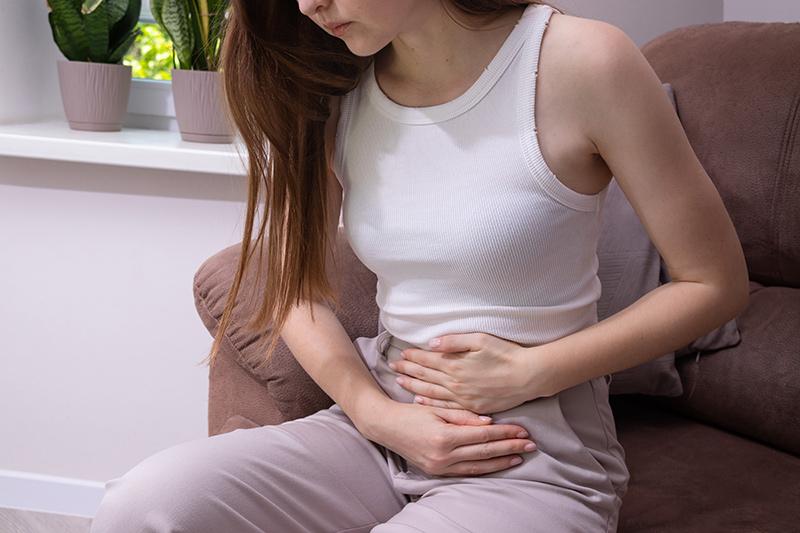
Pelvic pain is a symptom that many women experience at some point in their lives. While mild discomfort may occasionally occur during menstruation or ovulation, persistent or unexplained pelvic pain should not be overlooked. In some cases, it may be linked to underlying gynaecological conditions that require medical attention.
Because pelvic pain can have many possible causes, identifying the source is not always straightforward. Understanding the symptoms, recognising when professional evaluation is needed and knowing what to expect from a gynaecological consultation can help you take proactive steps towards better reproductive health and overall well-being.
Understanding Pelvic Pain: Common Causes and Symptoms
Pelvic pain refers to discomfort felt in the lower abdomen or pelvic region. It may occur suddenly or develop gradually over time. Some women experience sharp, stabbing pain while others describe it as a dull ache, pressure or cramping sensation.
Common non-gynaecological causes of pelvic pain include:
- Urinary tract infections
- Digestive conditions such as irritable bowel syndrome
- Constipation
- Musculoskeletal issues affecting the pelvis or lower back
- Pregnancy-related changes
Pelvic pain may also be accompanied by symptoms such as:
- Bloating
- Abnormal vaginal discharge
- Irregular menstrual bleeding
- Pain during sexual intercourse
- Pain during urination
- Lower back discomfort
Keeping track of when symptoms occur and whether they are associated with specific activities or stages of the menstrual cycle can provide valuable information during a medical assessment.
When Should You See a Gynaecologist for Pelvic Pain?
While occasional pelvic discomfort may occur during menstruation or ovulation, persistent, severe or unexplained pain should not be ignored. You should consider seeing a gynaecologist if you experience:
- Pelvic pain that persists for several weeks or months
- Severe pain that affects work, exercise or daily activities
- Pain that becomes progressively worse over time
- Heavy or unusually painful menstrual periods
- Bleeding between menstrual cycles
- Pain during sexual intercourse
- Difficulty conceiving
- Pelvic pain accompanied by fever, nausea or abnormal discharge
Seeking evaluation early may help identify the cause before complications develop. Prompt diagnosis can also improve treatment outcomes and provide relief from symptoms that may otherwise affect your quality of life.
Gynaecological Conditions That May Cause Pelvic Pain
Although pelvic pain can stem from various causes, it is often associated with gynaecological conditions that affect the uterus, ovaries, fallopian tubes or surrounding reproductive organs.
Some common gynaecological causes include:
Endometriosis
Endometriosis occurs when tissue similar to the uterine lining grows outside the uterus. This can cause chronic pelvic pain, painful periods and fertility challenges.
Uterine Fibroids
Fibroids are non-cancerous growths that develop in or around the uterus. Depending on their size and location, they may cause pelvic pressure, heavy menstrual bleeding and discomfort.
Ovarian Cysts
Ovarian cysts are fluid-filled sacs that develop on the ovaries. Many ovarian cysts are harmless and may resolve on their own without treatment. However, larger cysts or those that persist can cause pelvic pain, pressure or other symptoms and may require medical evaluation.
Pelvic Inflammatory Disease (PID)
PID is an infection of the reproductive organs that may result in pelvic pain, fever and abnormal vaginal discharge. Early treatment is important to prevent reproductive health complications.
Adenomyosis
Adenomyosis occurs when tissue from the uterine lining grows into the muscular wall of the uterus. This may lead to heavy menstrual bleeding, painful periods and ongoing pelvic discomfort.
Because many of these conditions share similar symptoms, professional evaluation is often necessary to determine the underlying cause.
How a Gynaecologist Diagnoses Pelvic Pain
Diagnosing pelvic pain involves understanding both the symptoms and the possible factors contributing to them.
A gynaecologist will typically begin by reviewing your medical history, menstrual cycle patterns and any associated symptoms. Information such as when the pain occurs, how long it lasts and what triggers or relieves it can provide important clues.
Depending on your symptoms, further investigations may be recommended, including:
- Pelvic examinations
- Ultrasound imaging
- Blood tests
- Urine tests
- Screening for infections
In some cases, additional diagnostic procedures may be required to confirm a diagnosis or rule out specific conditions. A thorough evaluation helps ensure that treatment is targeted to the underlying cause rather than simply managing symptoms.
Treatment Options for Pelvic Pain: What a Gynae May Recommend
Treatment for pelvic pain depends on the underlying cause, severity of symptoms and individual health needs. After assessing your condition, a gynae may recommend one or more of the following treatment options:
Lifestyle Modifications
Regular exercise, stress management techniques and dietary adjustments may help reduce symptoms in certain cases.
Medication
Pain relief medications and anti-inflammatory treatments may help manage discomfort. Antibiotics may be prescribed if an infection is identified.
Hormonal Therapy
Hormonal treatments such as oral contraceptives may be recommended for conditions like endometriosis, adenomyosis or menstrual-related pelvic pain.
Minimally Invasive Procedures
Some conditions, including ovarian cysts and fibroids, may benefit from minimally invasive surgical procedures that aim to relieve symptoms while preserving reproductive health.
Surgical Treatment
In more complex cases, surgery may be necessary to diagnose or treat underlying gynaecological conditions.
The most appropriate treatment plan will depend on your diagnosis, the severity of your symptoms, your reproductive goals and your overall health. In many cases, treatment may involve a combination of approaches to address both the underlying condition and its associated symptoms.
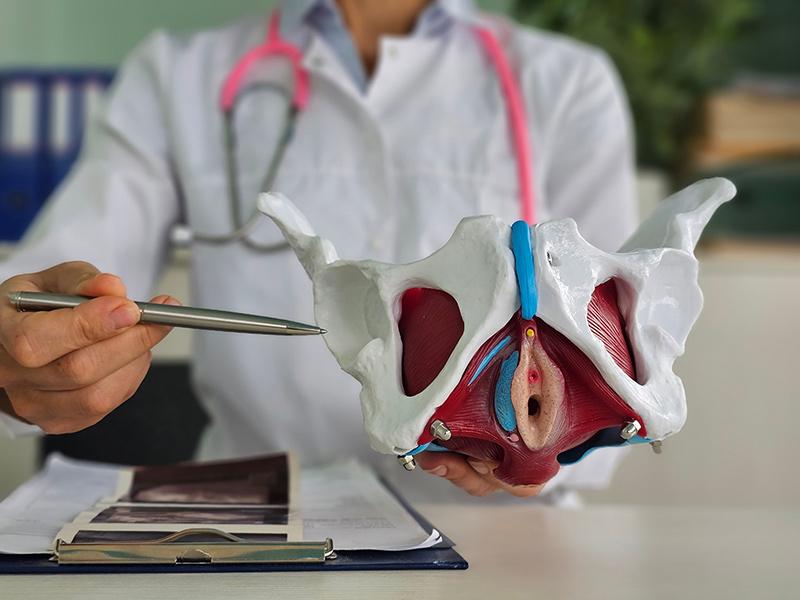
Pelvic Pain Care with GynaeMD Women’s Clinic (Clementi)
Pelvic pain can range from a temporary inconvenience to a symptom of an underlying gynaecological condition that requires medical attention. Understanding the possible causes, recognising warning signs and seeking timely evaluation can help prevent complications and support long-term reproductive health.
If you are experiencing ongoing pelvic pain, seeking professional care from a trusted gynaecologist can help you better understand your symptoms and treatment options. GynaeMD Women’s Clinic (Clementi) provides comprehensive assessment and treatment plans tailored to each patient’s needs. Led by Dr Regina Zuzarte-Ng, our team is committed to supporting you through every stage of diagnosis and treatment for your pelvic pain.
Living with ongoing pelvic pain is not something you have to accept as normal. Whether your symptoms are recent or have been affecting you for months, early assessment can help uncover potential gynaecological causes and guide appropriate treatment. Book a consultation with our Clementi Gynae Clinic today for a thorough pelvic pain evaluation and personalised care plan designed to help you find answers and relief from your symptoms.
FAQs About Pelvic Pain that Requires a Gynaecologist
Can stress cause pelvic pain?
Stress itself may not directly cause pelvic pain, but it can contribute to muscle tension, increased sensitivity to pain and the worsening of existing symptoms. Chronic stress may also affect hormonal balance, which can influence menstrual health and pelvic discomfort.
Does pelvic pain always affect fertility?
Not necessarily. Many women with pelvic pain are still able to conceive naturally. However, certain conditions associated with pelvic pain, such as endometriosis or pelvic inflammatory disease, may affect fertility if left untreated. Early assessment can help identify any potential concerns.
What should I expect during a gynaecological consultation for pelvic pain?
A consultation typically begins with a discussion of your symptoms, menstrual history and medical background. Depending on your symptoms, your gynaecologist may recommend a physical examination, ultrasound scan or other diagnostic tests to better understand the cause of your discomfort.
Can pelvic pain occur after menopause?
Yes. Although pelvic pain is often associated with reproductive-age women, it can also occur after menopause. Possible causes include pelvic floor disorders, ovarian conditions, gastrointestinal issues or other health concerns that may require further evaluation.